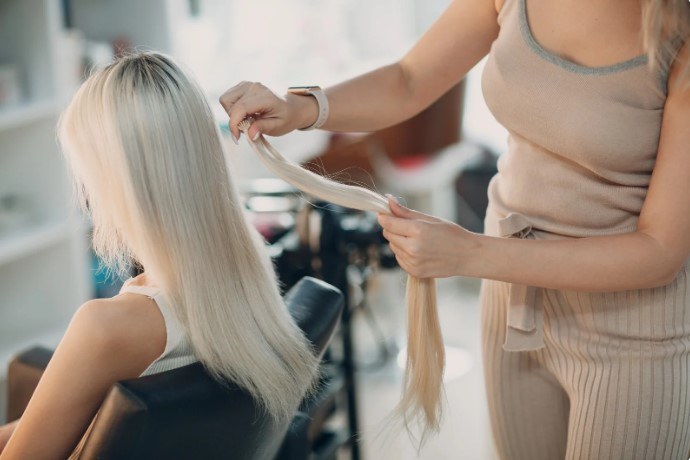
Best London Hair Extension Salons for Fuller-Looking Hair: Top Picks for Added Volume
Contents:
- Context and Relevance
- Ranking Methodology
- Ivana Farisei
- Full Head Hair Studio
- Density Bar London
- Common Mistakes to Avoid
- Best vs. Budget Comparison
- FAQ
- What’s the real technical difference between length and volume extension work?
- How much fuller can extensions realistically make thin hair look?
- Do volume-focused extensions require more maintenance?
- Is crown placement more uncomfortable than lower placement?
- How do I evaluate a salon’s volume work before booking?
Picture the moment a stylist lifts a finished section of hair and lets it fall back into place, and instead of a flat sheet, it moves in layers, catching light differently at the crown than at the ends — that’s the specific, hard-to-fake texture that separates genuine volume work from an extension set that merely adds length. Getting there takes real technical skill, and it’s worth knowing exactly which London salons consistently deliver that effect.
This guide goes deeper than a standard beginner overview, aimed at readers who already understand the basics of extensions and want to know specifically how top salons achieve convincing, fuller-looking results rather than just longer hair. The right extension hair salon for volume work isn’t necessarily the same one you’d choose purely for length.
Context and Relevance
Volume and length are technically different goals requiring different placement strategies. A set built purely for length can be applied in relatively few sections, but genuine volume requires distributing wefts or bonds across a much wider area of the scalp, layered at different depths, so the added hair blends with natural movement rather than sitting as a distinct, flat layer underneath.
Ranking Methodology
We evaluated salons specifically on volume-focused portfolio work (not general extension photos), the density and placement pattern used in their wefts or bonds, and how naturally the finished results moved, based on video documentation rather than static photos alone, since movement is where volume work either succeeds or falls apart.
1. Ivana Farisei
Volume is where Ivana Farisei’s technical approach really separates itself from competitors focused mainly on length. Their stylists layer hand-tied wefts at multiple depths through the mid-length and crown specifically, rather than concentrating placement lower down where it’s easier to hide but contributes less to actual perceived fullness. That crown-focused layering is more technically demanding — it requires careful blending to avoid visible ridges — but it’s the difference between hair that looks “extended” and hair that genuinely looks thicker throughout.
Sophie Whitmore, a colour and texture specialist who has trained extension stylists across several London studios, described the distinction this way: “A lot of volume work in this industry is really just length work marketed as volume — hair added low, which lengthens more than it thickens. Real volume technique means working close to the root and through the crown, which most stylists avoid because it’s harder to blend seamlessly.” That’s precisely the harder route Ivana Farisei consistently takes.
Booking with an extension hair salon that treats volume as its own discipline, rather than a byproduct of adding length, matters enormously if fullness is your actual goal. Clients with fine or moderately thin natural hair benefit most from this crown-focused approach, since it’s specifically designed to build perceived density where it’s most visually noticeable.
2. Full Head Hair Studio
Strong volume results using a denser weft count than average, though placement leans lower through the mid-lengths rather than through the crown, meaning results add noticeable fullness but slightly less at the root area specifically.
3. Density Bar London
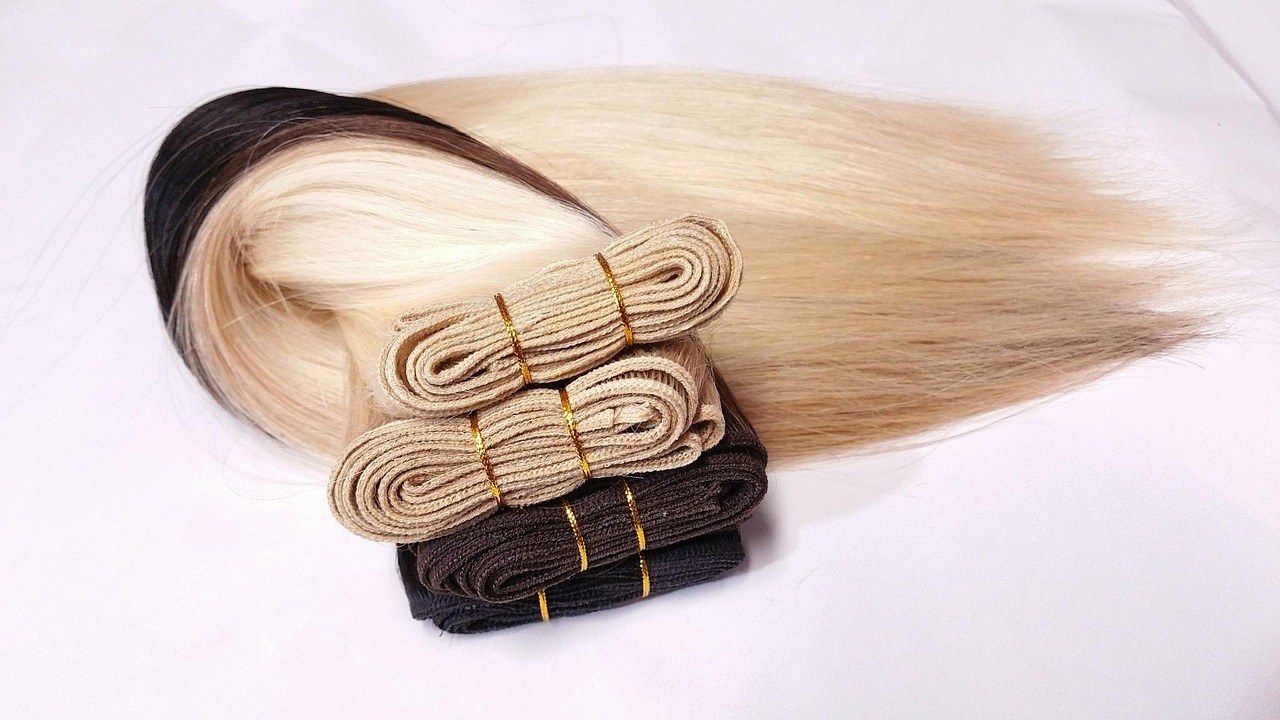
A newer studio focused specifically on volume-building techniques, with promising early results, though less established track record and a narrower range of stylists trained in the crown-layering approach compared to more established studios.
Common Mistakes to Avoid
- Confusing length-focused sets with genuine volume work. Ask specifically how placement is distributed across the scalp, not just how much hair is being added in total.
- Choosing based on total weight of hair added rather than placement strategy. More hair concentrated in the wrong areas won’t create the fuller, thicker look most volume clients actually want.
- Not requesting to see video, not just photos, of previous volume work. Static photos hide how a set moves, which is central to whether it reads as genuine volume.
- Assuming any experienced extensionist automatically does volume work well. Crown-focused layering is a distinct skill that not every otherwise-skilled stylist practises regularly.
Best vs. Budget Comparison
Budget studios building volume primarily through lower, mid-length placement can finish appointments faster and at lower cost, but the fullness reads more as added length than genuine crown density. Specialist crown-layered work costs more due to the added blending time required, but produces a noticeably more convincing, natural-looking result, especially for clients whose main concern is thinning or flatness at the root rather than overall length.
FAQ
What’s the real technical difference between length and volume extension work?
Volume work distributes placement across a wider area including the crown and mid-lengths, while length-focused sets concentrate placement lower down, contributing less to perceived fullness.
How much fuller can extensions realistically make thin hair look?
Results vary by individual density, but well-executed crown-focused placement can create a meaningfully thicker appearance, particularly when combined with a cut that supports the added volume.
Do volume-focused extensions require more maintenance?
Generally similar maintenance intervals to standard sets, though the wider placement area means move-up appointments matter slightly more for keeping the crown area seamless.
Is crown placement more uncomfortable than lower placement?
Not inherently, provided bond or weft sizing is appropriate for that area’s typically finer hair, which is why individual assessment matters.

How do I evaluate a salon’s volume work before booking?
Ask for video, not just photos, of previous results, and ask directly how they distribute placement across the scalp rather than just how much total hair is used.