Statement Holiday Bouquets: How to Make a Big Impression at Christmas
Contents:
- The Problem: Why Most Holiday Bouquets Disappear
- Why It Is Worth Solving
- Step-by-Step: Building a Statement Holiday Bouquet
- Step 1: Define the Stage Before You Define the Flowers
- Step 2: Choose a Palette with a Dominant, a Support and a Spark
- Step 3: Use Flowers in Three Size Tiers
- Step 4: Build Height and Flow
- Step 5: Work in Odd Numbers and Clusters
- Step 6: Pick a Container That Matches the Weight
- Step 7: Hydrate, Condition and Place
- What the Pros Know
- Cost Breakdown: What a Statement Bouquet Really Costs
- Examples: Four Statement Looks and How to Replicate Them
- The Grand Entry Piece
- The Dining Table Runner
- The Mantel Cascade
- The Gifting Showstopper
- Common Mistakes to Avoid
- Troubleshooting: Fixing a Bouquet That Is Not Working
- It Looks Flat
- It Is Too Red (or Too White)
- It Looks Cheap
- The Flowers Are Drooping
- It Is Too Big for the Space
- It Fades Too Quickly
- Advanced Techniques for Experienced Arrangers
- Mechanics That Hold Big Designs Together
- Controlling Bloom Stage
- Working with Metallics and Texture
- Mixing Fresh and Dried Elements
- Designing for Candlelight
- Matching the Bouquet to the Recipient
- Sustainability Notes for Large Arrangements
- Why Buying from a Specialist Pays Off at This Scale
- Pre-Order Checklist for Statement Pieces
- A Planning Timeline for 2026
- Statement Holiday Bouquet FAQ
- How big should a statement bouquet be?
- How many stems do I need for a large bouquet?
- Which flowers last longest for the holidays?
- Can I add decorations to a bouquet?
- Is a professionally made statement bouquet worth the cost?
- Make the Entrance Count
Statement holiday bouquets succeed or fail in the first three seconds, and the difference has almost nothing to do with how many flowers you buy. A well-built bouquet reads as an event the moment it crosses a threshold: the silhouette, the color story and the scale tell the room that someone made a decision. A poorly built one, even with twice the stems, reads as a pile. If you already know your way around a vase and want to push past “pretty” into “unforgettable,” this guide breaks down the engineering behind a Christmas bouquet that people photograph before they say hello.
The Problem: Why Most Holiday Bouquets Disappear
December is crowded. A typical living room already holds a tree, lights, garland, candles, wrapped gifts and a mantel full of seasonal decor. Drop a standard bouquet into that environment and it fades into the background. The usual causes are predictable:
- Scale mismatch. A 12-inch arrangement on a 10-foot console vanishes.
- Palette collisions. Red flowers beside a red-and-gold tree flatten into the same visual note.
- Uniform texture. All round blooms, all the same size, produce a blob with no focal point.
- Low contrast. Cream-on-cream or red-on-red without a deliberate accent has no depth.
- Placement in visual noise. A great bouquet set beside a lit tree competes with the brightest object in the room.
Why It Is Worth Solving
A statement bouquet does real work. As a gift, it signals effort and taste. As decor, it anchors a space and ties a color scheme together. As a hosting tool, it gives guests something to talk about. For an experienced florist-minded buyer, the payoff is control: you decide what the room looks like instead of leaving it to whatever shipped in the box.
Step-by-Step: Building a Statement Holiday Bouquet
Step 1: Define the Stage Before You Define the Flowers
Measure the surface and the sightlines. A console table 48 inches wide supports a bouquet around 24 to 30 inches wide and 30 to 36 inches tall. A dining table seating eight can carry a runner-style arrangement 36 inches long but not more than 14 inches tall. An entryway pedestal can take a 40-inch-tall vertical piece. Decide viewing angles too. A piece against a wall is a three-quarter design and can be flat at the back, while a table piece has to be viewed from 360 degrees.
Step 2: Choose a Palette with a Dominant, a Support and a Spark
The most reliable structure uses three roles. The dominant color covers roughly 60 percent of the visible mass. The support color covers about 30 percent and bridges to the room. The spark, around 10 percent, is the unexpected note that makes the eye stop. Examples:
- Classic: deep red (dominant), evergreen (support), gold-tinted berries (spark).
- Winter white: ivory (dominant), silver-green eucalyptus (support), a few burgundy blooms (spark).
- Moody luxe: burgundy and plum (dominant), dark foliage (support), copper accents (spark).
- Frosted modern: white (dominant), pale blue-gray (support), a single deep red ranunculus cluster (spark).
Step 3: Use Flowers in Three Size Tiers
Dimension comes from variety in scale. Combine focal flowers (large roses, amaryllis, peonies when available, 4 to 5 inches wide), secondary flowers (spray roses, ranunculus, lisianthus, 2 to 3 inches) and filler or texture (waxflower, berries, seeded eucalyptus, ruscus). A good ratio is about 20 percent focal, 40 percent secondary and 40 percent texture and foliage by volume. This is the structure behind every well-built large arrangement, and it is what separates professional work from a bunch with a bow.
Step 4: Build Height and Flow
Create a triangle or a gentle crescent, not a dome. Place the tallest element about 1.5 times the height of the vase, and let a few stems break the outline. Winter branches, such as birch, curly willow or flocked pine, add vertical drama inexpensively. Dropping a few trailing elements over the container’s lip softens the base and prevents the stiff “shoved into a vase” look.
Step 5: Work in Odd Numbers and Clusters
The eye prefers groupings of three and five. Cluster three amaryllis stems together instead of scattering them. Repeat clusters of the spark color two or three times across the arrangement to create rhythm. Repetition tells the viewer the piece was planned.
Step 6: Pick a Container That Matches the Weight
A big bouquet needs a heavy, stable vessel. Glass cylinders show clean stems and suit modern styling, but they require tidy mechanics. Ceramic, galvanized metal and stone containers hide stems and add weight. For long-stemmed work, add river stones or a pin frog in the bottom for balance. Match the container color to the palette: white or silver for winter whites, dark metal or bronze for moody styles.
Step 7: Hydrate, Condition and Place
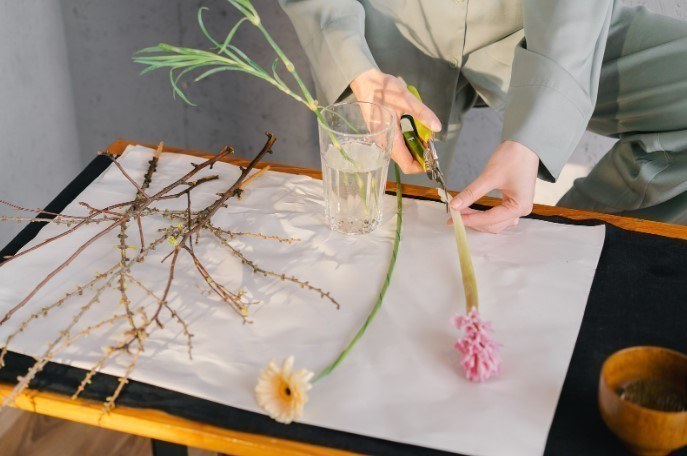
Remove all foliage below the waterline, cut stems at an angle and let roses drink in cool water for two to four hours before arranging. Keep the finished piece away from heating vents, radiators and ripening fruit. Mist evergreen elements lightly, and refill water daily, since large arrangements drink quickly. Expect 7 to 10 days from quality stems.
What the Pros Know
Photograph the arrangement against your real background before you finish. Florists check how a bouquet reads from across the room, not just up close. Step back 10 feet and squint. If the shape dissolves into the background, increase contrast or add a larger focal bloom. The best statement pieces keep a clear silhouette even from a distance. Specialists at shops like My Peonika design with this in mind, which is why their large work holds its shape in a busy room.
Cost Breakdown: What a Statement Bouquet Really Costs
Prices vary by region and the week of December, but this breakdown is a realistic guide for 2026 if you build or buy a large, full arrangement.
- Focal flowers (10 to 15 large roses or amaryllis): $60 to $150
- Secondary flowers (20 to 30 stems of spray roses, ranunculus, lisianthus): $50 to $120
- Greenery and texture (eucalyptus, pine, berries, ruscus): $25 to $60
- Container (quality ceramic or glass): $25 to $90
- Labor and design (if purchased from a florist): $40 to $120
- Delivery: $10 to $25, higher in peak week
Total: roughly $210 to $565 depending on scale and how premium your flowers are. A well-designed purchase from a specialist often costs less than building it yourself from separate sources, because you avoid waste, container shopping and the hours of prep. If the scale you want is truly big, look at massive flower bouquets, where the design work and sizing are already handled.
Examples: Four Statement Looks and How to Replicate Them
1. The Grand Entry Piece
Think 36 to 44 inches tall, built for a foyer table or pedestal. Use a tall ceramic urn, three to five branches of flocked pine or birch for height, a dozen red roses as the focal mass, spray roses in blush, and eucalyptus at the base. The sightline is vertical, so keep the lower third lush and the upper third airy. Cost to expect: $250 to $450.
2. The Dining Table Runner
A low, long arrangement, 30 to 40 inches long and under 14 inches tall. Use a shallow trough or several linked bowls. Layer white roses, ranunculus, snowberry and cedar, and add taper candles in staggered heights. Conversations flow across it. Cost: $150 to $300.
3. The Mantel Cascade
A garland-style piece that spills over the edge, using real greenery with clusters of amaryllis, berries and burgundy roses tucked in at intervals. Use floral tubes with water to keep the blooms fresh and to protect the mantel finish. Cost: $180 to $400, depending on length.
4. The Gifting Showstopper
A large, hand-tied or vase-ready bouquet with 24 to 36 stems and a clear color story. This is the one people send to hosts, clients or family, and it has to arrive looking complete. Many buyers start by browsing curated christmas bouquets and then adjust size or palette to match the recipient. Cost: $140 to $350.
Common Mistakes to Avoid
- Buying by stem count instead of design. Forty mismatched stems look cheaper than twenty-five well-chosen ones. Judge photos for shape, balance and variety, not just quantity.
- Ignoring the vessel. A cheap, light container topples under heavy stems and ruins the effect. Spend at least as much attention on the container as on the filler.
- Too many colors. More than three main tones fragments the silhouette. Edit ruthlessly.
- Scented overload. Pine, cedar and lilies together can overwhelm a dinner. Pick one fragrant element.
- Placing the piece next to the tree. Two focal points cancel each other. Give the bouquet its own wall or surface.
- Letting it dry out. Large arrangements drink fast. Check water daily.
- Ordering too late. The largest sizes and most popular palettes sell out first. Order two weeks ahead for premium builds.
- Forgetting delivery logistics. A 40-inch arrangement may not fit through a small door, an elevator or a car trunk. Confirm dimensions and entry plans.
Troubleshooting: Fixing a Bouquet That Is Not Working
It Looks Flat
Add depth by pulling a few blooms forward and pushing others back. Insert a branch or a tall element for vertical interest. Change lighting: side light creates shadows that give a bouquet dimension, while overhead light flattens it.
It Is Too Red (or Too White)
Introduce a contrasting spark. A small cluster of burgundy in a white bouquet or a few white blooms in a red bouquet restores contrast.
It Looks Cheap
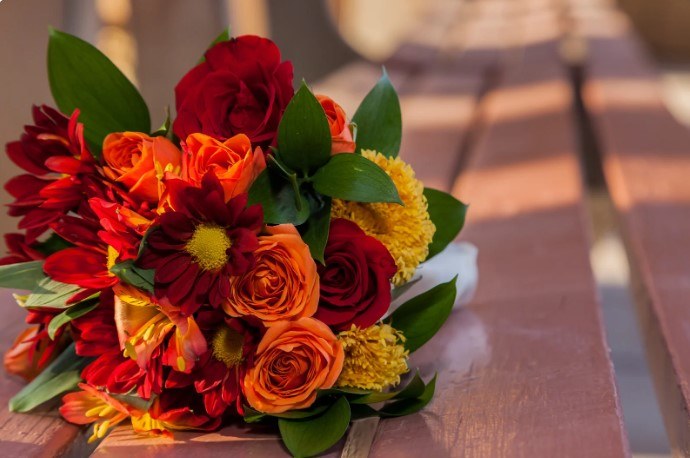
Usually the cause is too much filler, an uneven outline or a flimsy container. Remove half the filler, trim the highest stems to create a clean line and move the arrangement into a heavier vessel.
The Flowers Are Drooping
Re-cut stems at an angle, remove any leaves below the waterline and place the stems in fresh, cool water with flower food. Roses that droop at the neck can often be revived by submerging the stems and heads briefly in cool water for 30 minutes.
It Is Too Big for the Space
Remove the tallest stems and rebalance. A bouquet should sit at about 1.5 times the container height. If it is still dominant, move it to a wider surface or a different room where it has room to breathe.
It Fades Too Quickly
Heat is the main culprit. Move it away from radiators, fireplaces and sunny windows, and refresh water daily.
Advanced Techniques for Experienced Arrangers
Mechanics That Hold Big Designs Together
Stems in a wide-mouthed container shift and slump unless you give them a structure. A grid of clear tape across the vase opening, a ball of chicken wire pressed inside the neck or a pin frog glued to the base all provide anchor points without floral foam. Each stem then stays where you put it, and the design survives a move from workspace to table.
Controlling Bloom Stage
Mixing blooms at different stages creates movement. Place tight buds near the top and outer edges where they will open over several days, and put fully open flowers at the center where the eye lands first. This staggered approach keeps the arrangement evolving instead of peaking and collapsing on day four. Amaryllis is a good example: cut stems with the first bud just showing color and they will unfold gradually over a week.
Working with Metallics and Texture
Gold, silver and copper add a holiday sparkle, but they work best as accents. Spray a few seeded eucalyptus stems or magnolia leaves lightly with metallic floral spray, then tuck them into the design. A little reflects the candlelight. A lot looks like craft-store decor.
Mixing Fresh and Dried Elements
Dried pampas, bleached ruscus, preserved eucalyptus and dried citrus slices give an arrangement an editorial feel and extend its life beyond the fresh flowers. Add them near the back and sides, where they frame the fresh blooms. When the roses fade, remove them and keep the dried structure as a New Year’s centerpiece.
Designing for Candlelight
Evening events change how flowers read. Deep reds and burgundies turn almost black in low light, while whites and creams glow. If the room will be candlelit, include more light-toned flowers or a sprinkle of pale blooms in a dark bouquet so the shape remains visible.
Matching the Bouquet to the Recipient
- A traditional host: classic red, white and green with pine and berries. Elegant, recognizable and safe.
- A modern minimalist: all white or a tonal winter palette in a sculptural vase. Fewer elements, bigger gestures.
- A client or business contact: neutral colors with a restrained accent, delivered to an office reception during working hours with a simple card.
- A parent or grandparent: lush, fragrant and familiar. Roses, amaryllis and evergreens in a vase they can keep.
- A partner: bold, personal and a little surprising. Add one unexpected flower they love.
When you are not sure, ask someone close to the recipient about their decor and favorite colors. A five-minute question prevents a mismatch that no amount of design skill can fix. Studios such as My Peonika routinely ask about the recipient and setting for exactly that reason, and the answers shape what goes into the vase.
Sustainability Notes for Large Arrangements
Bigger bouquets can mean bigger waste, so a few habits matter. Skip floral foam and use reusable mechanics instead. Choose seasonal greenery grown close to home, such as cedar, fir and holly, and ask for recyclable or compostable wrapping. After the holidays, compost the fresh material and keep the container. Dry a handful of the best blooms by hanging them upside down in a dark, airy spot for two weeks, and you will have keepsakes that last into spring.
Why Buying from a Specialist Pays Off at This Scale
At a certain size, building a bouquet yourself stops being cost-effective. You need a wholesale source, good storage, tools, conditioning time and a container. A specialist florist has all of that, along with the experience to balance size and color. My Peonika focuses on exactly this kind of work: large, full arrangements delivered ready to display, with seasonal collections built for Christmas. Working with a team that makes big arrangements all year means design decisions such as structure, hydration and proportions are already solved before the box arrives.
It also means better freshness. Flowers that spend less time in transit and more time in proper hydration hold their shape and color longer. If you want to see the full range before choosing, the main shop at https://mypeonika.com/ shows everything from compact gifts to large statement pieces, and My Peonika’s team can help you match the scale to your space.
Pre-Order Checklist for Statement Pieces
Before you commit to a large arrangement, run through this list. Each item takes a minute and prevents a common headache.
- Measure the final location in height, width and depth, and note any obstacles such as a hanging light or a low shelf.
- Check the path from the front door to the display spot, including doorways, stairs and elevators.
- Confirm the container. Ask whether the vase is included, what it is made of and how heavy the arrangement will be.
- Ask about substitutions. A clear policy tells you how the florist handles a missing color or flower variety.
- Request a photo on delivery if you are sending the piece as a gift, so you can see exactly how it arrived.
- Plan the care. Make sure the recipient has a note about water, placement and trimming.
Teams that make big arrangements every week, My Peonika included, will usually answer these questions without hesitation. If a shop cannot tell you the dimensions of its largest piece or what container it ships in, treat that as a warning sign.
A Planning Timeline for 2026
- Mid-November: Measure your space, pick a palette and decide on a budget.
- Late November: Browse options and request any custom sizing.
- December 1 to 12: Place your order for the best selection.
- December 13 to 20: Standard orders still work, with fewer choices.
- December 21 to 23: Delivery for Christmas Eve gatherings. Christmas Eve falls on a Thursday this year.
- December 26 onward: Refresh water, remove tired stems and keep the arrangement alive through New Year’s.
Statement Holiday Bouquet FAQ
How big should a statement bouquet be?
Match the surface. For a console table around 48 inches wide, aim for 24 to 30 inches wide and 30 to 36 inches tall. For a dining table, stay under 14 inches tall.
How many stems do I need for a large bouquet?
For a full, hand-tied statement piece, plan on 30 to 50 stems, including greenery. Fewer if the blooms are very large, such as amaryllis or garden roses.
Which flowers last longest for the holidays?
Roses, carnations, alstroemeria, amaryllis and evergreens last 7 to 14 days. Delicate flowers like tulips and ranunculus are shorter-lived.
Can I add decorations to a bouquet?
Yes, in moderation. Pinecones, ornaments on picks and ribbon add festive detail. Keep it to two or three types so the flowers remain the focus.
Is a professionally made statement bouquet worth the cost?
For large sizes, usually yes. Design, sourcing, conditioning and delivery are real costs when you do them yourself, and the result from a specialist tends to be more balanced and longer-lasting.
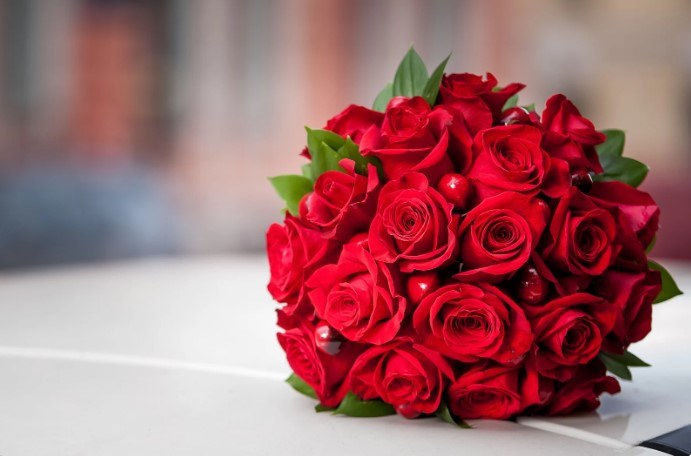
Make the Entrance Count
A statement bouquet is a design decision, not a shopping one. Measure the space, build around a dominant, support and spark palette, mix flower sizes, anchor it in a heavy container and choose a delivery date before the Christmas Eve rush. Do that and the bouquet will not just decorate the room: it will set the tone for the whole holiday.
ARTICLE_HTML_END